

The All-Time Ultimate List of Free Blogging Tools to Help Newbie Travel Bloggers Succeed – Dad On The Move – Beragampengetahuan
 |
| Photo courtesy of pexels.com |
Contents
What you need to invest in blogging
Depending on the blogging platform that you prefer to use and your content
monetization plan, you need to at least buy a domain name for your blog to
make it look professional.
If you prefer to use Blogger/Blogspot, you can enjoy free hosting and unlimited storage for your blog. You can spruce it up by connecting it to a custom domain name that you can buy from numerous reputable domain name
registrar, and also a polished-looking theme.
If you prefer to use a self-hosted WordPress site, then you need to pay more because you need to buy hosting space. What’s good about this is that hosting
plans already come with a free domain name and the price is still fairly
affordable and payable either monthly or annually.
Again, the decision on which blogging platform to use should depend on the features that you want for your website. WordPress is undoubtedly the easiest
and most flexible platform out there, and it’s robust enough to support
functions like creating a forum site or a shop.
However, do take note that all
blogging platforms offer a degree of flexibility and, depending on your
knowledge of coding can be customized to your liking.
I’m currently using Blogger/Blogspot as my blog host and I hired a web developer to tweak the codes to make it faster. I also did some tweaks on my blog’s theme so that the home page features a landing page.
Aside from domain name and hosting, you can also buy tools and learning materials to help you with SEO, content creation, and graphic design. You can
buy a nice website theme, premium plug-ins, and so forth to further customise
your blog to your liking.
When you have finally launched your blog, you need to invest a lot of time growing it. You need to create content that people would want to read or that would answer the needs of individuals. When you have finally
written a blog post, you need to proofread and edit it to correct all
grammatical errors.
Finally, you have to promote your blog post or content whether on your social
media pages or through ads to ensure that it reaches your target
audience.
This is just a quick overview of what goes on in blogging. There are a lot of small things that go on in blogging, especially in its technical aspects, such as updates and algorithm changes. You will learn these things as you gain more
knowledge in web maintenance.
Blogging can be overwhelming at times
Yes, the blogging to-do checklist goes on and on and it can be a bit
overwhelming especially for bloggers who are just starting out.
I’ve been blogging for more than a decade and I’ll admit that I still feel
swamped at times with all the things that I have to look out for when writing
a blog post.
It wasn’t an easy journey for me as it took me a long time to
learn the technical side of blogging (I didn’t even know how to add widgets in
the first five years that I was blogging) as well as search engine
optimization or SEO.
The best free blogging tools
Anyway, as a way of paying back to my fellow bloggers who helped me, I’d like to also help newbie bloggers out by compiling some free blogging tools and resources. This will at least give them an idea of where to begin.
Here that they can use to help their blogs grow.
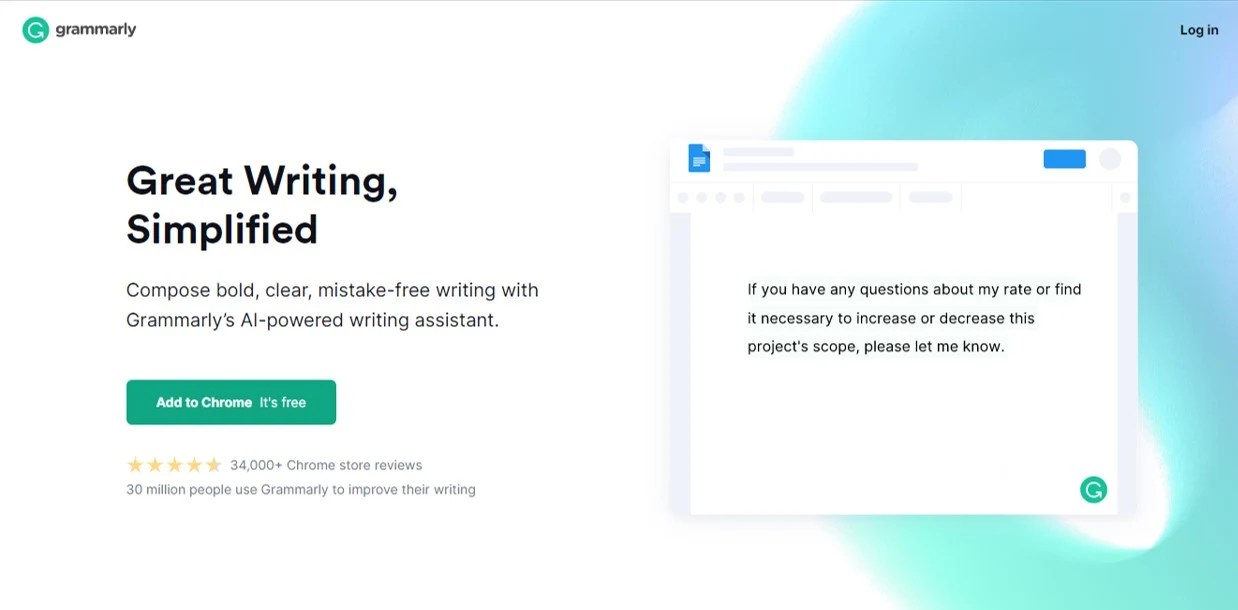
Grammarly to check for grammar and spelling errors
is one tool that I should have installed a long time ago but it was only
recently when I was able to use it.
 |
| Grammarly |
You see, I relied on my proofreading
skills for the longest time but I realized that no matter how diligent you are
in editing, you are bound to miss small mistakes.
Grammarly has both free and paid versions but the free account is also good enough to help you spot grammatical and punctuation errors. It’s like having
our own personal professional proof-reader.
Researching for topics to write about
If you are researching topics to write about, you can use the following
online tools:
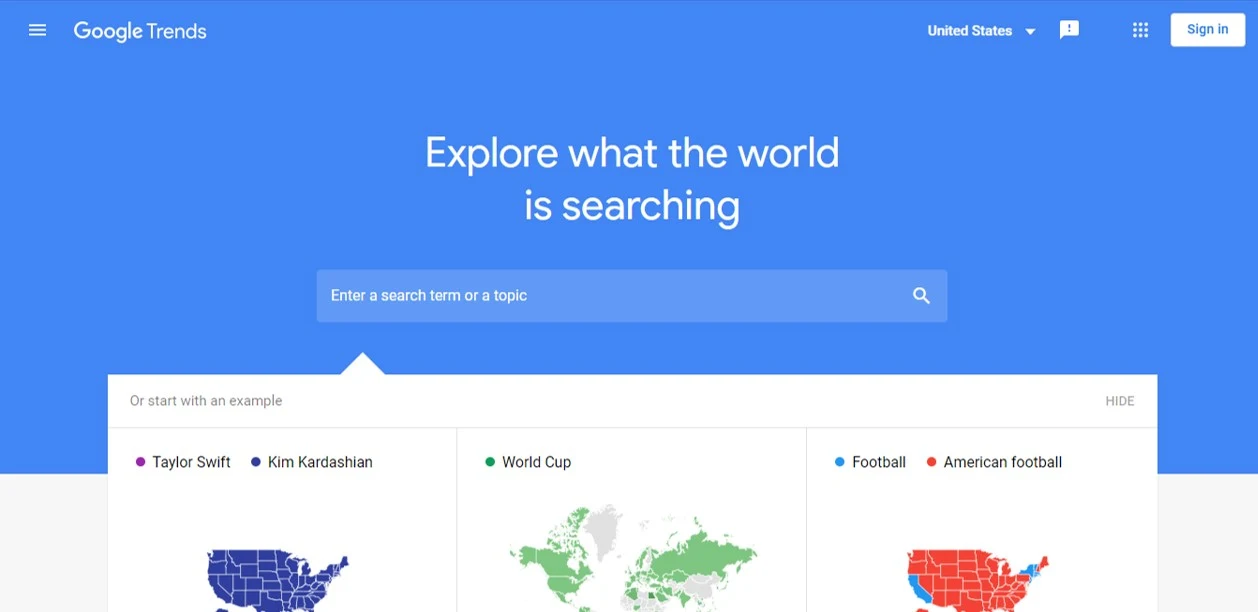
1. Google Trends
 |
| Google Trends |
on what to write about.
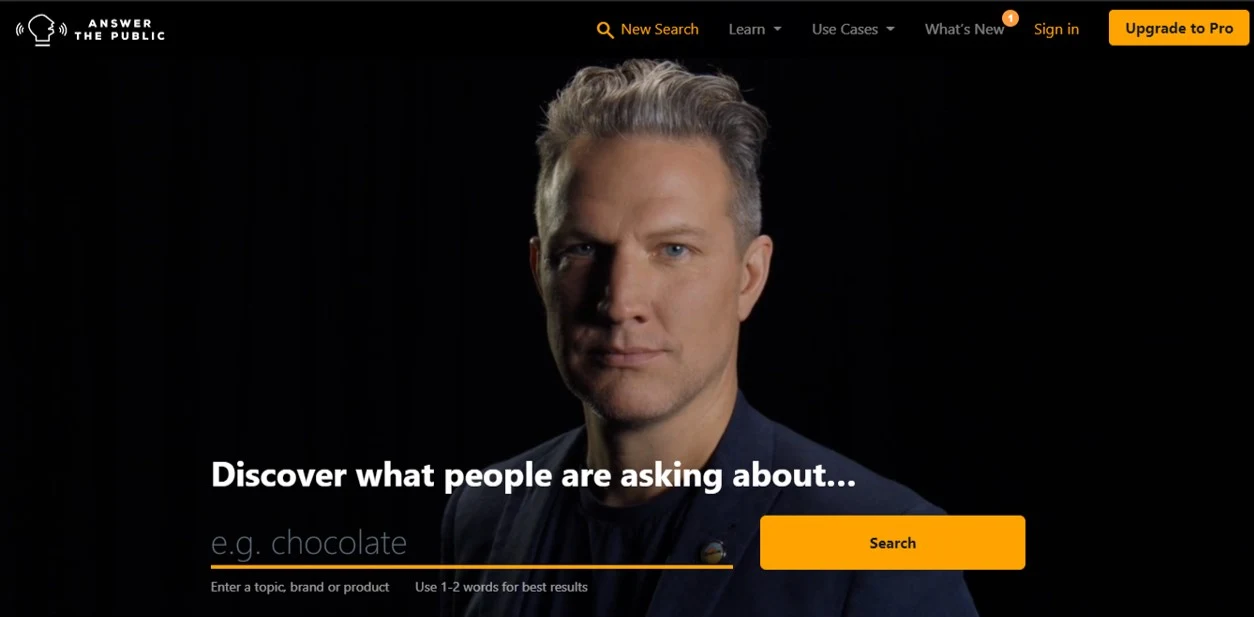
2. Answer The Public
 |
| Answer The Public |
You just need to key in your search term (two words are highly recommended) and you will be given results based on questions being asked about that topic (i.e. which jumping rope is the best?), prepositions that usually go with your search terms (i.e. jump rope classes near me), comparisons between your topic of interest and another related subject (i.e. jumping rope versus jogging), and an alphabetical list of topics related to your search term.
SEO: optimizing content for readers and search engines
One of the best sources of stable website traffic is search engines such as Google,
Bing, and Yahoo that’s why we need to learn search engine optimization or
SEO.
 |
| Photo courtesy of pexels.com |
In simple words, SEO is a way of crafting your articles so that they can provide the information that users are looking for and present the information in a way that is easily understandable to users. SEO is a combination of keywords, clear and concise writing, and an easy-to-follow article structure (i.e. divided into sections or headings and subheadings).
Remember, while SEO contains the term “search engines,” your priority in
crafting your content should still be the user or reader.
I have to admit again that it’s only fairly recently when I began to learn about SEO because I thought it was a technical subject. When I put my mind to it, I realized that it was not as technical as I’d expected it to be. Again, because the primary objective of SEO is to craft content that readers will click through, read, and love. In essence, it’s adhering to the foundation of good and effective writing.
If users adore your content because they
find it useful, search engines will sense this and put your content on top of
search results because it is valuable.
Here are some SEO tools and resources and I often use:
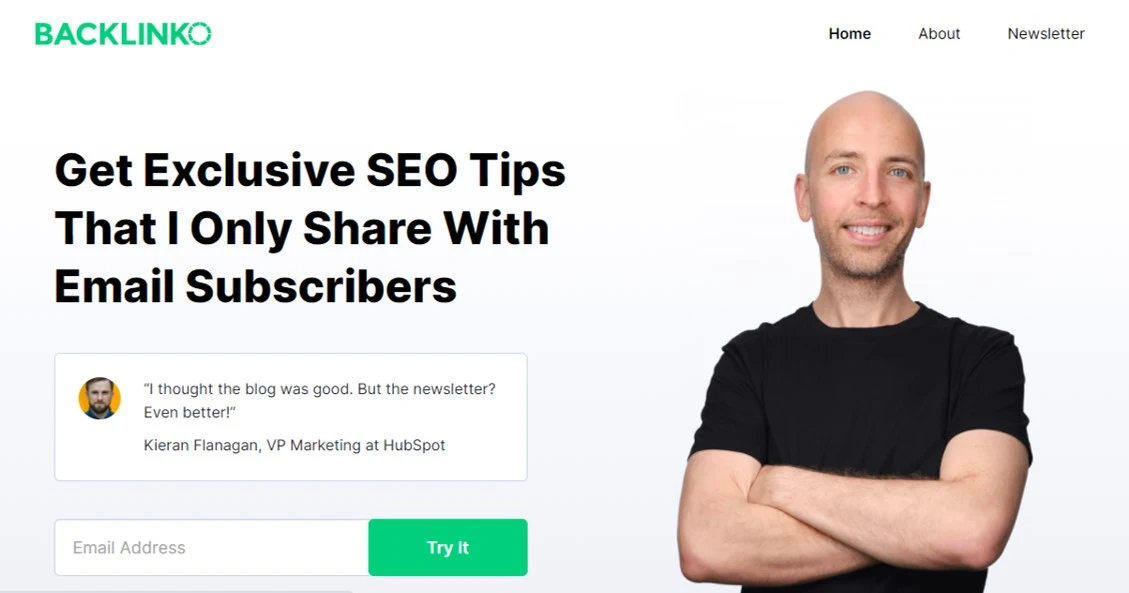
1. Backlinko
 |
| Backlinko |
What’s good about the articles in Backlinko is that they are well-explained using easy-to-understand language. You
can also visit its YouTube channel if you want to listen to Brian further
expound and explain important topics in SEO.
2. Google Keyword Planner
In optimizing your content, you would often hear the term “keyword research.”
To put it simply, it’s the process of researching keywords that are popular in search engines. Meaning, a lot of people search for these keywords in
Google, so the articles containing these keywords have a good chance of ranking high in search results.
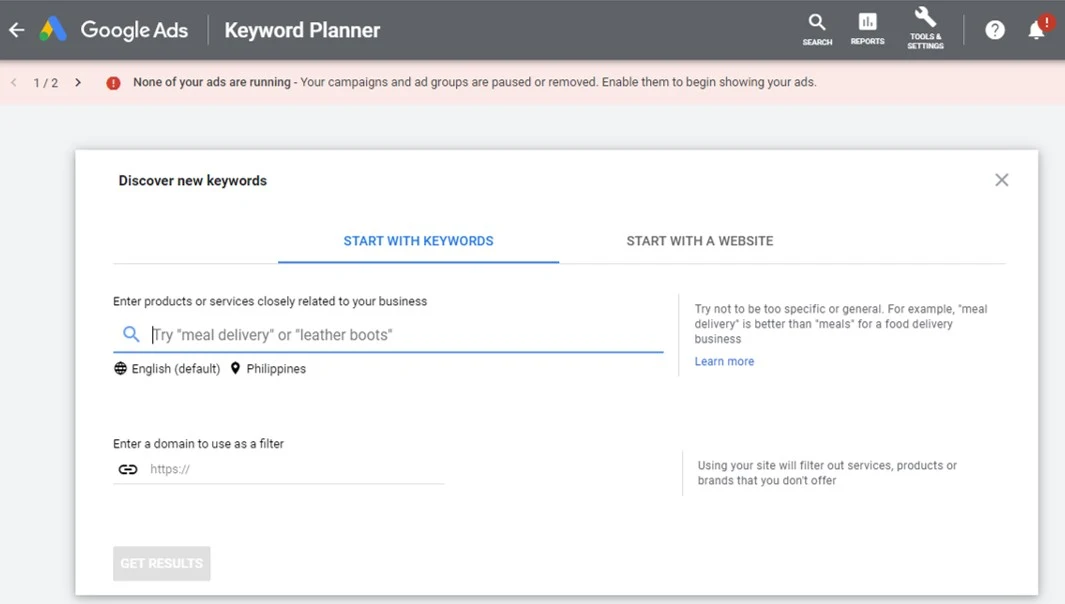 |
| Google Keyword Planner |
are writing about.
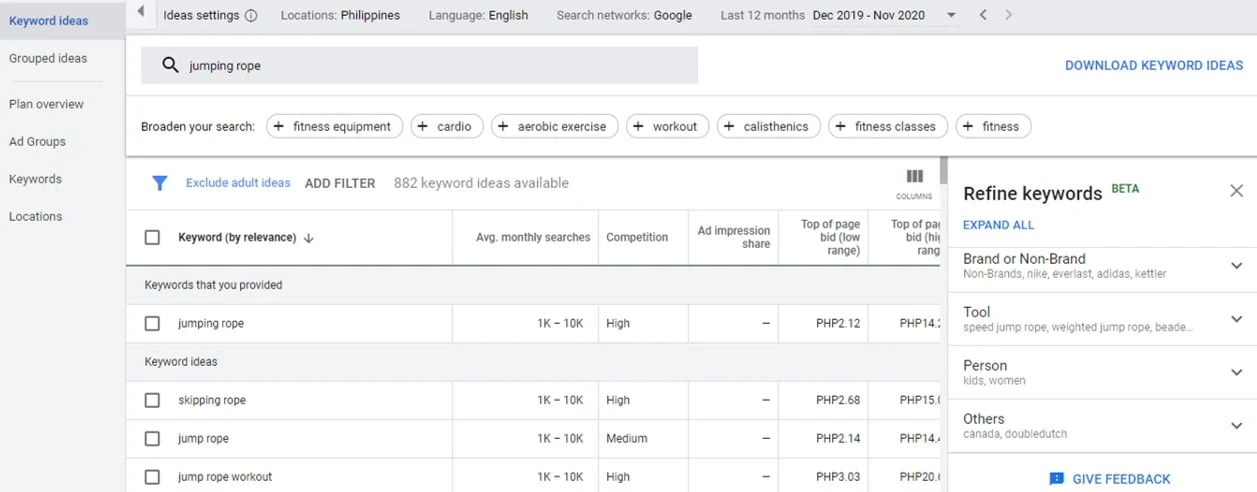 |
| Keyword results |
For example, you can enter the topic “jumping rope” and a list of keyword combinations will appear in the results. To find out the number of searches
for a keyword, you can refer to the column that says “search volume” and, from
there, choose the more popular ones.
You can then include these terms in the jumping rope article that you are writing so that search engines can see these phrases. Just be sure though that these expressions fit naturally within your content.
3. Yoast Real-Time Content Analysis
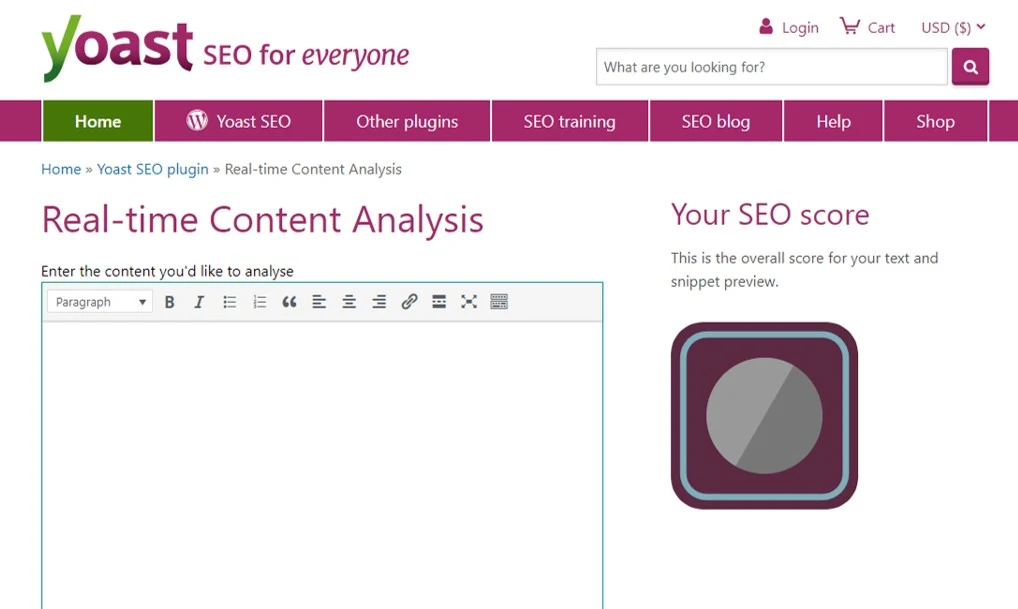 |
| Yoast Real-time Content Analysis |
Yoast is a popular SEO plugin in WordPress. It’s easy-to-use and gives good suggestions on how to improve your content based on your focus keyword. That’s the reason why many WordPress users love to use the Yoast SEO plugin.
WordPress user, don’t worry. You can still enjoy the benefits of Yoast because it has an online checker for examining the keyword optimization of your content. The online version works just as well as the plugin.
Picture and image optimization
1. Filename optimization
Before inserting your photos into your article, you also need to optimize them.
Change its filename to include the search term or keyword that you are targeting. Use hyphens to add space between words. To illustrate, you should end up with this filename: filename-target-search-keyword.jpg.
2. File size-reduction
Next, you need to reduce the file size of your images so that your website will load fast. Remember, users and search engines (Google!) love a fast-loading website
so that they can get to your information fast.
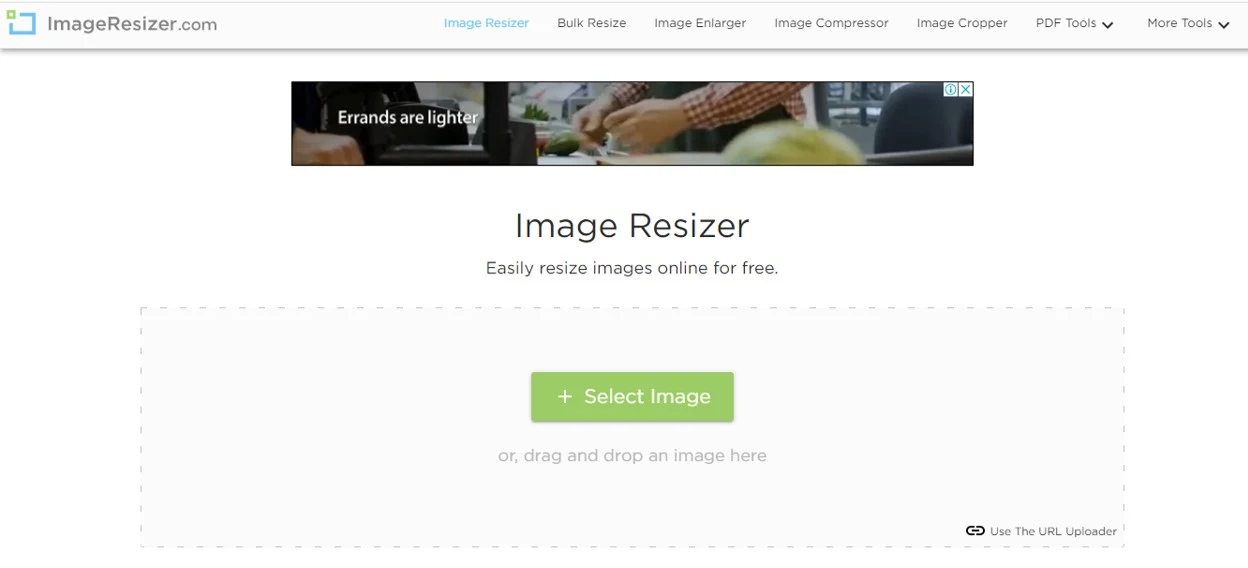 |
| Image resizer |
Most blogging sites would advise users to reduce image sizes to at most 100 KB before uploading them. Personally, I reduce my photos to at most 80 KB. They are much lighter and the quality is still good.
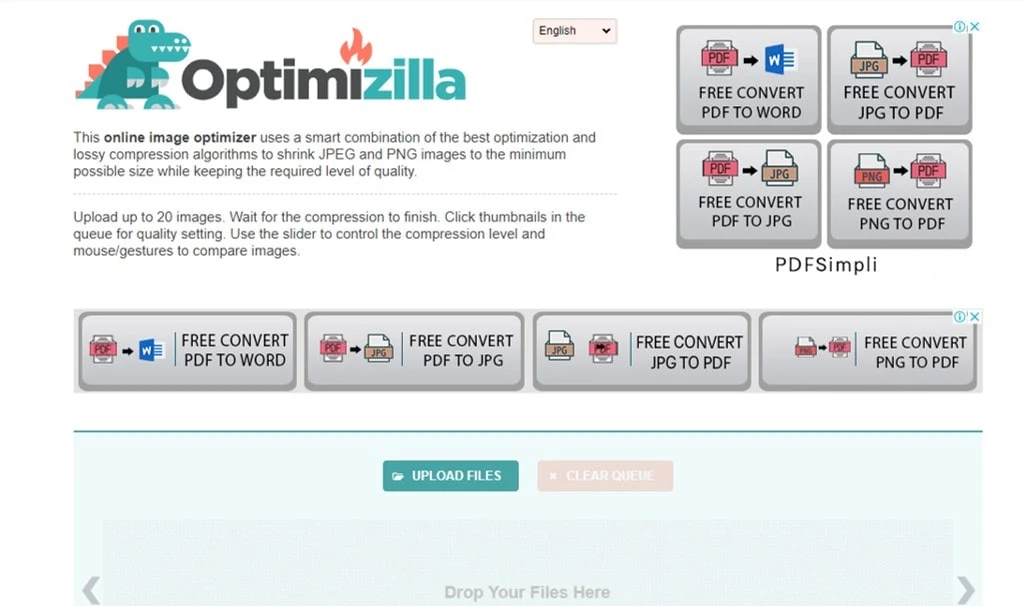
The two file reduction tools that I use for this purpose are the following:
I like to use both Image Resizer and Optimizilla because they are straightforward and feature a simple interface. I switch tools from time to time depending on how quick I want to edit my photos.
 |
| Optimizilla |
Of these two websites, Optimizilla is quicker to use but is limited in terms of the file size that you can upload. Image Resizer, meanwhile, can accommodate larger file sizes and it has more functions like cropping, rotating images, and converting the file format from jpeg to png and vice-versa.
Alternatively, you can also use Photoshop or any other design and layout
software for reducing image file sizes.
Graphic design, photo-editing, and video creation
I am not a graphic designer that’s why I love to use simple solutions that offer stunning results. For graphic designs and simple photo editing, I use
the following:
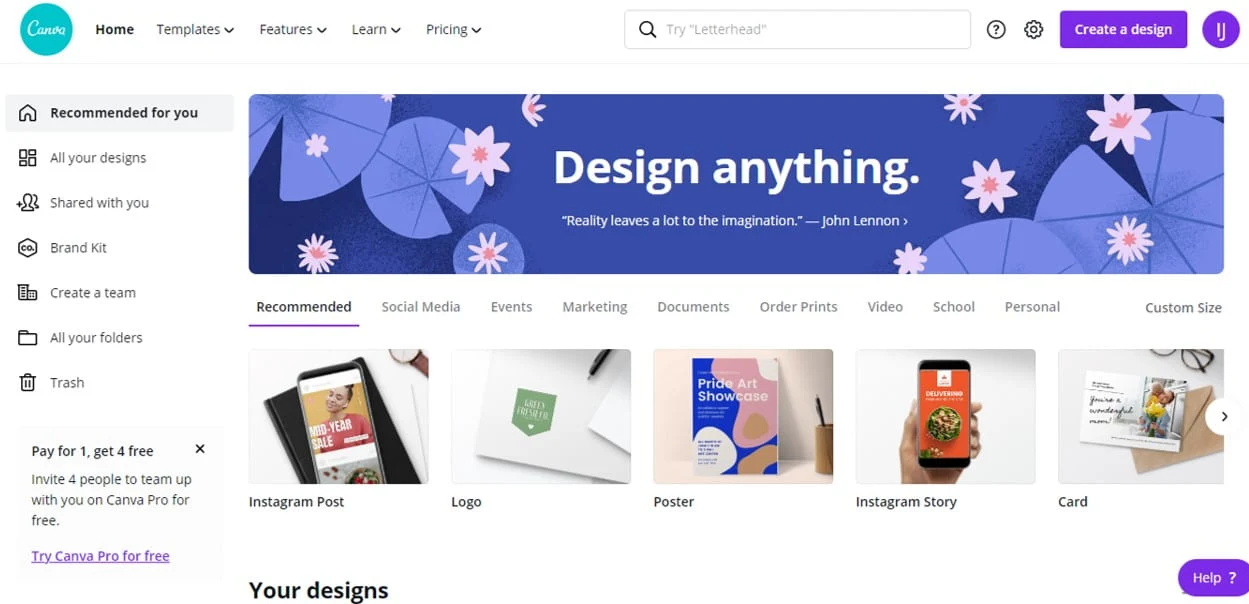
1. Canva
not have any knowledge about graphic design.
 |
| Canva |
The reason is simple: Canva is easy-to-use because it provides great-looking
pre-made designs for various needs such as blog banners, Instagram and
Facebook posts, Pinterest pins, and even media kits. It uses a drag and drop system if you want to upload new images. You can rearrange them easily and add text depending on the material that you are designing.
Canva is available both as a mobile app and a desktop site.
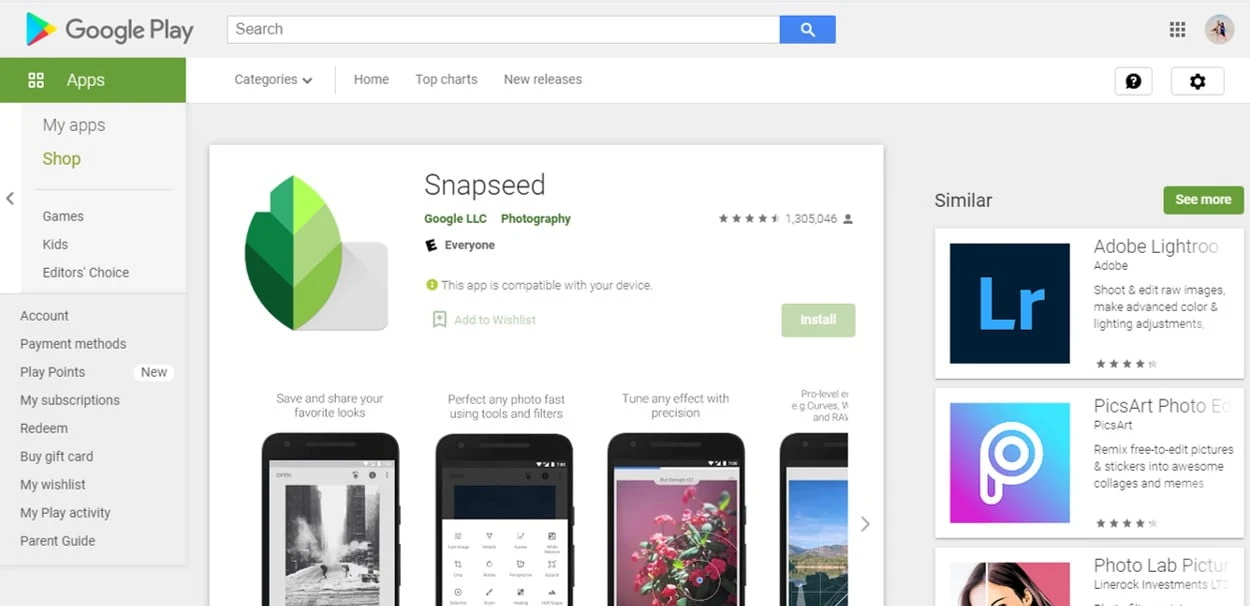
2. Snapseed
adding text overlays, putting borders, and adding photo filters. You can even use it if you want to slim down your face in your photos.
 |
| Snapseed |
Snapseed is one of the very first free photo editing tools that I started to use because of its straightforward interface and functionalities. I still use Snapseed up to now.
3. VSCO
 |
| VSCO |
filters for my photos. I particularly like it when editing photos for Instagram but you can also use it for improving photos for inclusion in your blog posts.
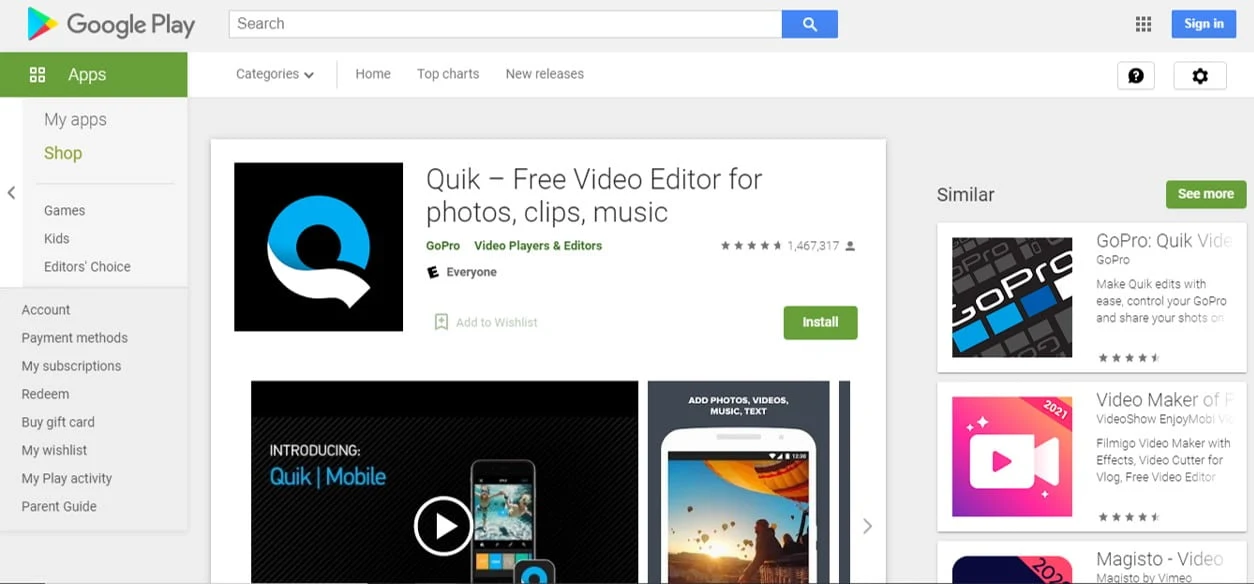
4. Quik
upload images and videos and from there, choose how you want your video clip
to appear.
 |
| Quik |
There is a music library in Quik but the use of it is limited, meaning you most probably can’t use those sound clips for social media posting. For this
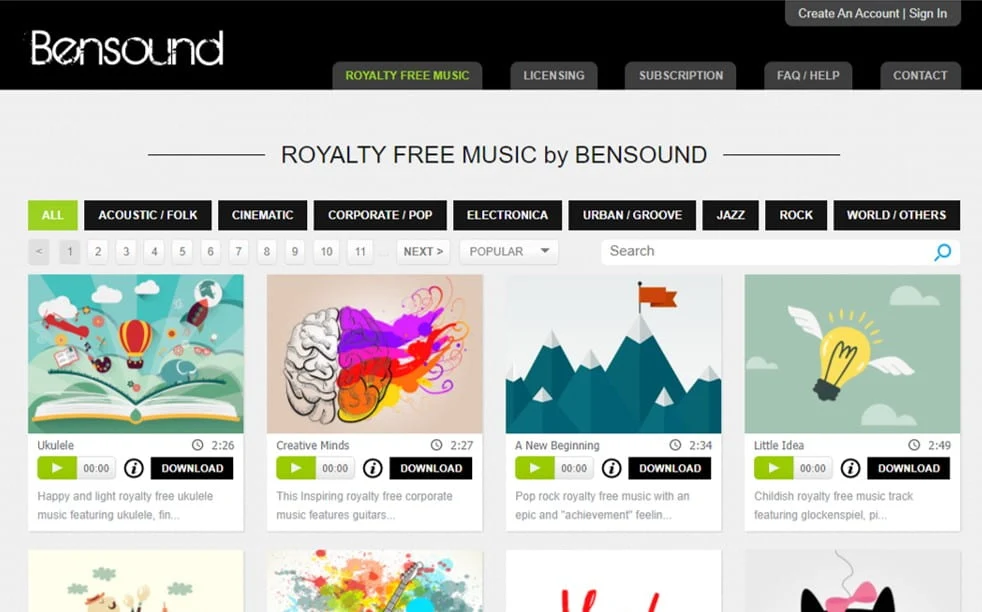
purpose, I download sound clips from a website called Bensound, which you can read more about below.
Free media files
When you create content, you would sometimes realize that you don’t have the right image to go with it. There are also times when you will painstakingly
create stunning videos, only to find out later on that its sound has been
muted by YouTube due to copyright issues.
For this purpose, I turn to the following resources:
1. Bensound
 |
| Bensound |
to download and use as long as you give credit to Bensound, which is as simple
as including the line “Music by
www.bensound.com.”
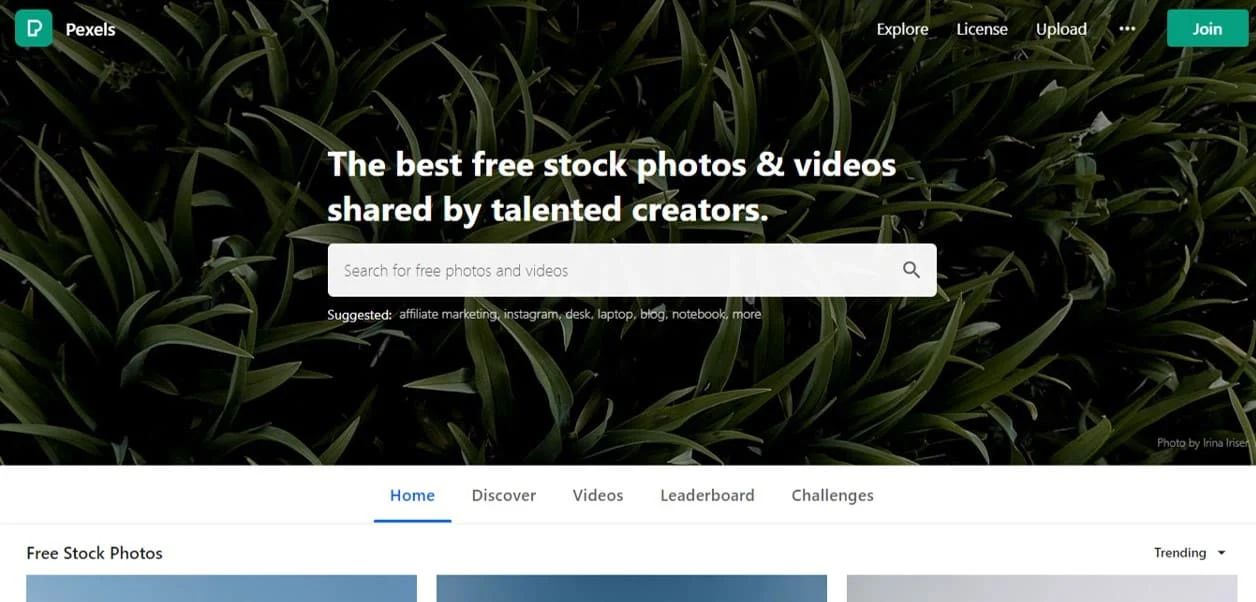
2. Stock photos
 |
| Pexels |
For free stock photos, you can head over to these three websites:
I usually download stock photos from Pexels, Pixabay, and Unsplash because these websites offer an extensive library of high-quality images. I would usually start searching at Pexels then move on to Pixabay and Unsplash if I’m not satisfied with the photos that I have.
What’s good about these photos is that you are free to edit them in any way
that you like, you can even use them for commercial purposes, and there is no
need for attribution although I like to include a link back to the photo owner
just to give credit for all their hard work.
Google Analytics
 |
| Google Analytics |
However, do try to learn where your traffic is coming from (organic search,
social media, referral, and direct) and your blog posts that are attracting
readers.
This will give you a good idea of where to focus your effort, like creating
articles around the topics that your audience loves and using the sources that
provide the most traffic to your blog.
Epilogue
These are just a handful of the free tools that bloggers can use. There are a lot of options out there, even paid apps and online sites have free, although
limited, selections.
However, based on my experience, I prefer to use the tools I have listed above
for their simple interface, robust functionalities, and overall reliability.
if you are a newbie blogger reading this, I hope this article has helped you
as you set off on your road to blogging success.
If you have questions or have anything to add, please feel free to post them in the comments section
below.
PIN THIS POST
travel terdekat
travel agent
mobil travel, travel bag, travel umroh, travel jakarta bandung, travel, baraya travel
#AllTime #Ultimate #List #Free #Blogging #Tools #Newbie #Travel #Bloggers #Succeed #Dad #Move

Related Posts

Rasakan hidup dalam kecepatan penuh dengan Kartu Toyota Platinum baru dari Metrobank – Beragampengetahuan

Cara mempersiapkan perjalanan jangka panjang: Panduan praktis sebelum Anda pergi – Beragampengetahuan
