
11 Educational Travel Destinations That Teach While You Explore – Beragampengetahuan
Travel has long been one of the most powerful ways to learn about the world. Each destination offers a glimpse into human creativity, resilience, and the stories that shaped the world’s shared history. Exploring cultural and historical sites deepens the understanding of how societies evolve and connect. Wherever you go, every place holds a lesson waiting for you to discover.
Contents
- How to Make Travel Educationally Successful
- Top 11 Educational Travel Destinations
- 1. Galápagos Islands, Ecuador — Evolution in Action
- 2. CERN, Geneva, Switzerland — Science at the Frontier
- 3. The Pyramids of Giza, Egypt — Ancient Engineering
- 4. The Great Barrier Reef, Australia — Marine Biology Up Close
- 5. Machu Picchu, Peru — Archaeology and Incan Civilization
- 6. Kyoto, Japan — Living History and Culture
- 7. Robben Island, South Africa — Lessons in Human Rights
- 8. Yellowstone National Park, USA — Geology and Ecology
- 9. Costa Rica — Where Biodiversity and Tourism Learn from Each Other
- 10. Poland — Remembering the Past Through Holocaust Education
- 11. Rome, Italy — The Empire That Shaped the World
- The Lasting Impact of Learning Through Travel
How to Make Travel Educationally Successful
Traveling is most effective when thoroughly planned. Begin by defining your educational objectives — maybe you wish to step foot in historic sites or witness biodiversity in action. Research your educational interests and related destinations to inform your decision. Having some background knowledge about a destination and its history can make you feel more prepared for your trip.

While on the trip, take the time to carefully observe the world around you and make the most of the touring or hands-on opportunities. Connecting the things you researched with your real-world experiences is an excellent way to learn.
After returning from the destination, dedicate time to reinforcing your learning. This might be further research about the place you visited or sharing your travel experiences with others. You might even feel inspired to start planning another educational venture.
Although traveling can present logistical hurdles such as expenses, scheduling, and safety concerns, careful planning can make it incredibly fulfilling. When intentionally designed, traveling can foster genuine learning experiences that enhance comprehension, curiosity, and personal development.
Top 11 Educational Travel Destinations
From ancient wonders to modern museums, travel inspires curiosity and reflection that extends beyond the classroom. Discover destinations where every step, sight, and sound teaches you something new — about the world and yourself.
1. Galápagos Islands, Ecuador — Evolution in Action

The Galápagos Islands are a living classroom for understanding how life adapts to change. Famous for inspiring Charles Darwin’s theory of evolution, these volcanic islands continue to reveal how species respond to environmental challenges. They are home to around 329 vertebrate species and thousands of invertebrates and plants. A significant number of these organisms are endemic, highlighting the Galápagos as a representation of biodiversity and susceptibility.
Today, climate change poses one of the greatest threats to this fragile ecosystem. Rising sea temperatures, shifting rainfall patterns, and more frequent El Niño and La Niña events disrupt the delicate balance between marine and terrestrial life. Warmer waters affect penguins, sea lions, and seabirds, while increased rainfall benefits some land species. Invasive species and habitat loss further heighten the risk for rare and endemic animals unable to migrate or adapt quickly.
Despite these challenges, the Galápagos remain a vital site for conservation and scientific education. Organizations such as the Galápagos National Park Service and the Charles Darwin Foundation are working to protect native species and restore their natural habitats. Visitors can witness evolution in real time — how plants, animals, and ecosystems adapt to a changing world. It’s a powerful reminder of nature’s resilience and our shared responsibility to protect it.
2. CERN, Geneva, Switzerland — Science at the Frontier
At the border of Switzerland and France, the European Organization for Nuclear Research (CERN) stands as a symbol of curiosity and collaboration. Founded in 1954, it’s home to the world’s largest particle accelerator — the 27-kilometer Large Hadron Collider. At its facility, scientists explore the origins of the universe and the forces that shape it.
CERN’s discoveries have changed the world, from confirming the existence of the Higgs boson to pioneering technologies like hadron therapy for cancer and the Medipix imaging chips used in medicine. At this renowned institution, scientists also invented the World Wide Web in 1989.
Visitors can tour CERN’s facilities, meet researchers, and see the science of the universe unfold firsthand. Educational programs for students and teachers open doors to groundbreaking physics, while exhibitions and guided visits make complex ideas tangible. CERN inspires learning through discovery.
3. The Pyramids of Giza, Egypt — Ancient Engineering

The Pyramids of Giza are among the world’s most remarkable cultural landmarks and are a testament to human ingenuity and endurance. The Great Pyramid of Khufu — one of the Seven Wonders of the Ancient World — has captivated travelers and scholars for millennia. Ancient engineers cleverly used a now-vanished channel of the Nile to transport stones and supplies. They took advantage of higher river levels around 4,500 years ago to build the monumental Giza complex.
Constructed around 2500 BCE, Egypt’s pyramids served as royal tombs for pharaohs and their consorts. Built with astonishing precision, their polished limestone once gleamed under the desert sun, symbolizing divine connection and rebirth. Inside, chambers were filled with treasures for the afterlife, reflecting profound beliefs about eternity.
When you visit Giza, you learn a powerful lesson in ancient engineering and symbolism. You will stand before these timeless structures and feel their enduring presence, appreciating that they have looked down on humanity for 40 centuries. In turn, they command your awe and respect for one of humanity’s most outstanding achievements.
4. The Great Barrier Reef, Australia — Marine Biology Up Close
Australia’s Great Barrier Reef — the world’s most extensive coral reef system and a UNESCO World Heritage Site — is a living laboratory of marine biodiversity. For decades, it has inspired scientists and travelers alike with its vibrant coral reefs and diverse array of fish.
Rising sea temperatures pose a significant threat to the Great Barrier Reef, causing widespread coral bleaching and increasing the risk to coastal communities. To help the ecosystem recover, the Australian Government’s Reef Restoration and Adaptation Program is pioneering innovative methods, including coral seeding and reef shading. These efforts — supported by local communities and Indigenous groups — highlight how collaboration in protecting one of the planet’s most vital marine treasures.
Join guided tours led by marine biologists, participate in reef-care projects, or visit educational centers that demonstrate how conservation sustains life. Experiencing the Reef today means witnessing its beauty — and the urgent need to protect it for the future.
5. Machu Picchu, Peru — Archaeology and Incan Civilization

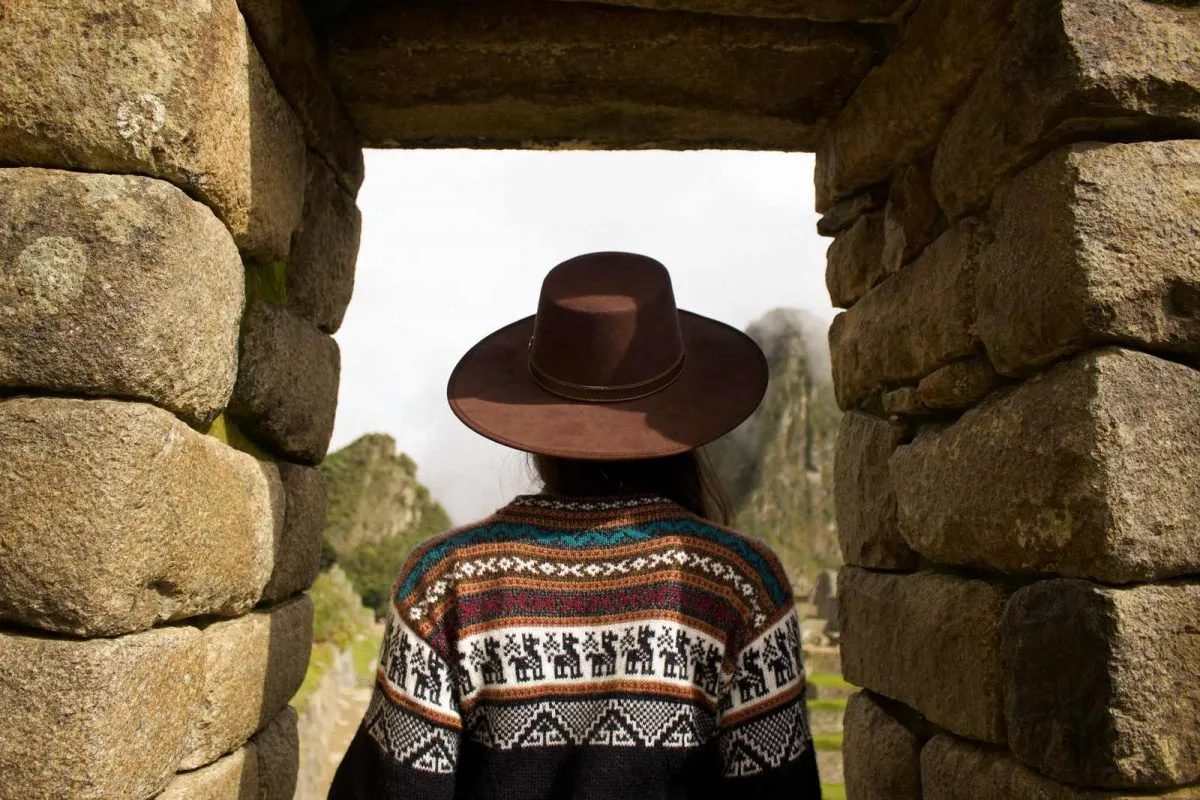
High in the Peruvian Andes, Machu Picchu rises as the greatest legacy of the Inca Empire. Between 1438 and 1533 CE, the Incas ruled a vast region known as Tawantinsuyu, which spanned modern-day Peru, Ecuador, Bolivia, and Chile. Through remarkable engineering, road networks, and efficient governance, they united the empire’s diverse cultures.
The Inca engineered the Qhapaq Ñan, a 40,000-kilometer road network that connected their vast empire across the Andes. They also developed the quipu, a system of knotted strings used to record information on taxes, trade, and population. Machu Picchu — built to resist earthquakes — reflects their exceptional mastery of architecture, nature, and astronomy.
Machu Picchu offers more than stunning views. It’s a journey into the ingenuity of an empire that thrived without a written language, blending art, agriculture, and spirituality into everyday life. Guided tours and nearby archaeological centers help travelers discover how the Inca shaped Andean identity, offering a profound lesson in the history of archaeological civilization.
6. Kyoto, Japan — Living History and Culture

As cities modernize, preserving cultural heritage has become a global priority. Culture shapes identity, and adapting tradition to contemporary life is an essential challenge. Kyoto embodies this balance — where history, peace, and modernity coexist. The city’s temples, shrines, and tea houses create a living museum where tradition remains part of daily life. Visitors can experience this through tea drinking, flower arranging, traditional meals, and kimono dressing.
The city’s rich heritage attracts visitors, while tourism helps sustain its preservation. Architecture holds significant importance, particularly through minshuku, which are family-operated guesthouses that merge traditional design with contemporary hospitality. Unlike urban apartment-style B&Bs, minshuku offer an authentic cultural experience deeply connected to local history and lifestyle. Kyoto’s approach demonstrates how tradition can coexist with modernization.
Exploring the world and places like Kyoto means discovering things you’ve never encountered before. Exposure to new cultures and environments has been shown to spark curiosity and understanding, especially in young travelers. It offers a chance to immerse yourself in various cultures and traditions, making it a fantastic way to experience new ways of life and broaden your worldview.
7. Robben Island, South Africa — Lessons in Human Rights
Once a symbol of oppression, Robben Island has become one of the most powerful embodiments of resilience and reconciliation in post-Apartheid South Africa. This former prison, now a UNESCO World Heritage Site, tells the story of the courageous individuals who fought for freedom. Its prisoners included Nelson Mandela and Ahmed Kathrada, who later helped preserve the site and transform it into a museum.
Through inmate-led tours, exhibits, and memorials, visitors can have a deeper understanding of South Africa’s journey from segregation to democracy. Robben Island stands as a symbol of suffering and resilience, reminding society that we must never disregard the importance of human rights and dignity.
Its legacy continues to challenge and inspire, showing how education through remembrance can heal and unite. Visiting the island is more than learning history — it’s about confronting it, so that its lessons endure.
8. Yellowstone National Park, USA — Geology and Ecology
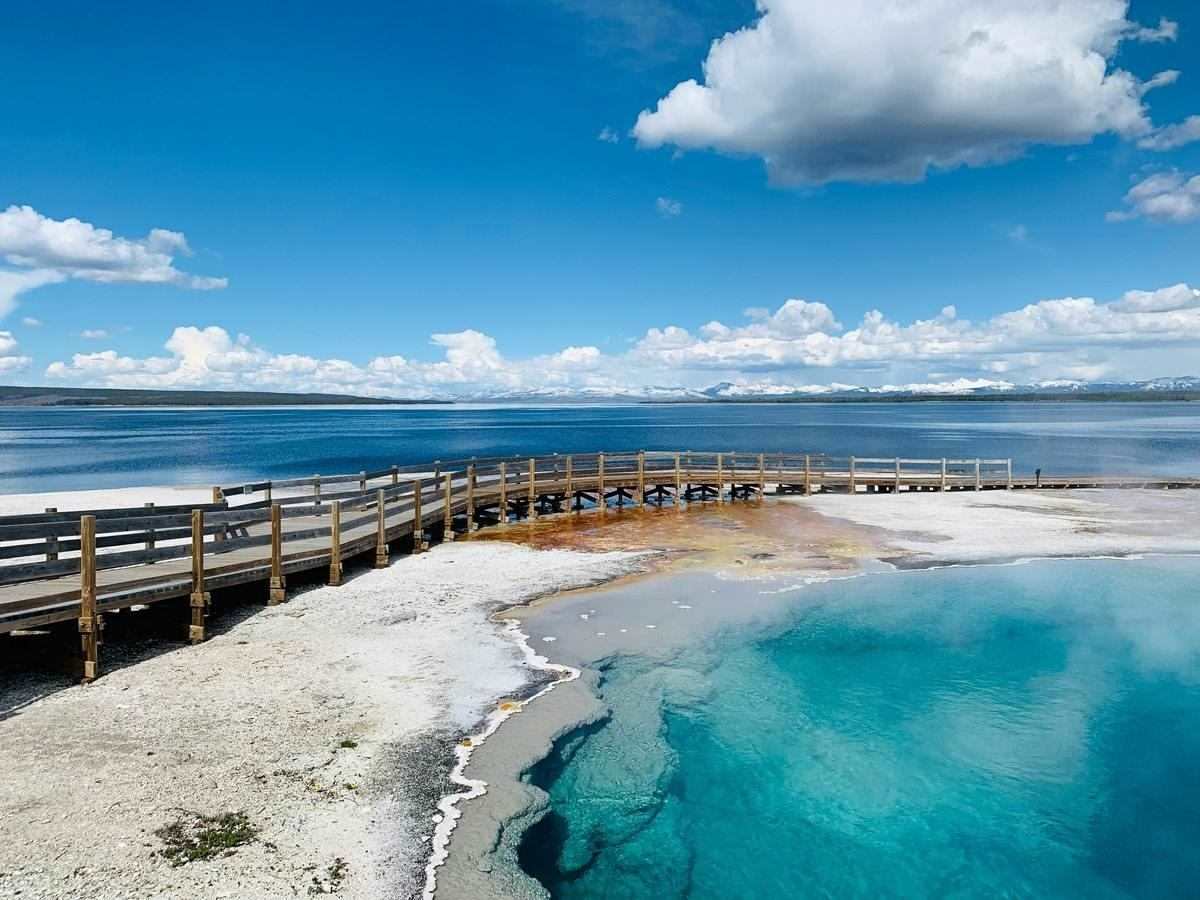
This is the very first American National Park and home to hundreds of geysers, with Old Faithful being the most renowned. It is one of the most geologically active places on Earth — a living showcase of volcanic and hydrothermal forces at work. Formed by one of the most significant eruptions in history, the Yellowstone Caldera remains a vivid reminder of the planet’s power. The park hosts over 10,000 hydrothermal features.
These include Mammoth Hot Springs’ striking travertine terraces and ancient petrified forests formed millions of years ago. Beneath this landscape, a vast magma chamber fuels constant change. Yellowstone sits atop a mantle hot spot, where molten rock rises close to the surface, shaping geysers, hot springs, and fumaroles. These processes demonstrate how the Earth’s crust shifts and renews itself through plate movement and volcanic activity, providing scientists with rare insights into planetary dynamics.
Although a major eruption is unlikely, scientists closely monitor Yellowstone’s activity. Thousands of small earthquakes occur each year, and GPS and satellite data track subtle ground movements. Visiting Yellowstone National Park is an excellent opportunity to learn about geology, climate, and the planet’s dynamic systems.
9. Costa Rica — Where Biodiversity and Tourism Learn from Each Other
Protected areas are crucial for conserving biodiversity and are vital to the success of nature-based tourism. In Costa Rica, these regions facilitate ecological preservation and recreational activities. They embody the IUCN’s perspective that protected areas are social-ecological systems where humans and nature can coexist. Conservation has progressed from a focus on isolating nature to one that integrates it with the needs and livelihoods of local communities.
The tourism sector in Costa Rica has evolved from merely serving as a vehicle for economic development to becoming a promoter of sustainability. As apprehensions regarding mass tourism increased, ecotourism surfaced — travel that fosters conservation, education, and local engagement. This model links ecological well-being with social benefits, showing how tourism can create value for biodiversity while empowering local communities.
Human activities and ecosystems mutually influence one another, yielding both advantages and challenges. Applying this framework to Costa Rica reveals a reciprocal dynamic. Biodiversity attracts visitors, and in turn, carefully managed tourism supports the conservation of the very landscapes it relies upon. In this setting, conservation and tourism coexist, continually learning and adapting within the same dynamic system.
10. Poland — Remembering the Past Through Holocaust Education

Cultural heritage often drives travel, but it also reflects human suffering and resilience. Sites tied to war and tragedy carry powerful lessons about humanity’s past. Visiting them transforms travel into remembrance, reflection, and education.
So-called “dark tourism” is gaining interest worldwide, as travelers visit memorials, former camps, and historic battlefields. Yet education must guide such visits — ensuring that visitors see these sites not as attractions, but as solemn reminders of what we must never repeat.
Poland’s Holocaust museums, including Auschwitz-Birkenau, Majdanek, and Sobibór, exemplify this. Each preserves memory through carefully curated exhibits that detail how these memorials evolved from liberation to commemoration. Their educational mission is clear — to help new generations understand the magnitude of the tragedy and the responsibility of remembrance.
11. Rome, Italy — The Empire That Shaped the World

At its height, the Roman Empire united between 30 and 50 million people across Europe, North Africa, and the Middle East under a single system of government, law, and infrastructure. Its network of roads, aqueducts, and trade routes connected distant regions from Britain to Egypt and from Spain to the Black Sea. This vast organization fostered innovation in engineering, architecture, and administration. It set the foundations for what would later define Western civilization.
The Roman economy was highly advanced for its time. It featured skilled trades, long-distance commerce, and early examples of mass production. Roman cities had public baths, running water, and sophisticated sewage systems. These comforts would not appear again in Europe for centuries.
Historians often praise Rome’s achievements. Its governance, commerce, and urban planning were remarkable. The empire’s legacy showcases human ingenuity and innovation. For students, it offers a fascinating example of how a civilization can shape the world and inspire future generations.
Read next: Rome in 3 days

Rome at sunset, a great destination for photography lovers
The Lasting Impact of Learning Through Travel
Travel serves as one of the most effective ways to continue learning and to gain life-changing experiences. Exploring diverse cultures and histories broadens your perspective and deepens your understanding of the world. No matter where you travel, such experiences ignite curiosity and foster personal development.
–
Jack Shaw is the Senior Outdoors Writer for Modded Magazine. Driven by his passion for writing, Jack loves to traverse the wilderness, travel, and explore the unknown. He has over six years of experience writing professionally and loves engaging in new projects. His works have been published in The Travel Magazine, EcoHotels, Trekaroo, and more.
travel terdekat
travel agent
mobil travel, travel bag, travel umroh, travel jakarta bandung, travel, baraya travel
#Educational #Travel #Destinations #Teach #Explore

Related Posts

Rasakan hidup dalam kecepatan penuh dengan Kartu Toyota Platinum baru dari Metrobank – Beragampengetahuan

Cara mempersiapkan perjalanan jangka panjang: Panduan praktis sebelum Anda pergi – Beragampengetahuan
