
The Hidden Work Behind Thailand’s Perfect Beaches – Beragampengetahuan
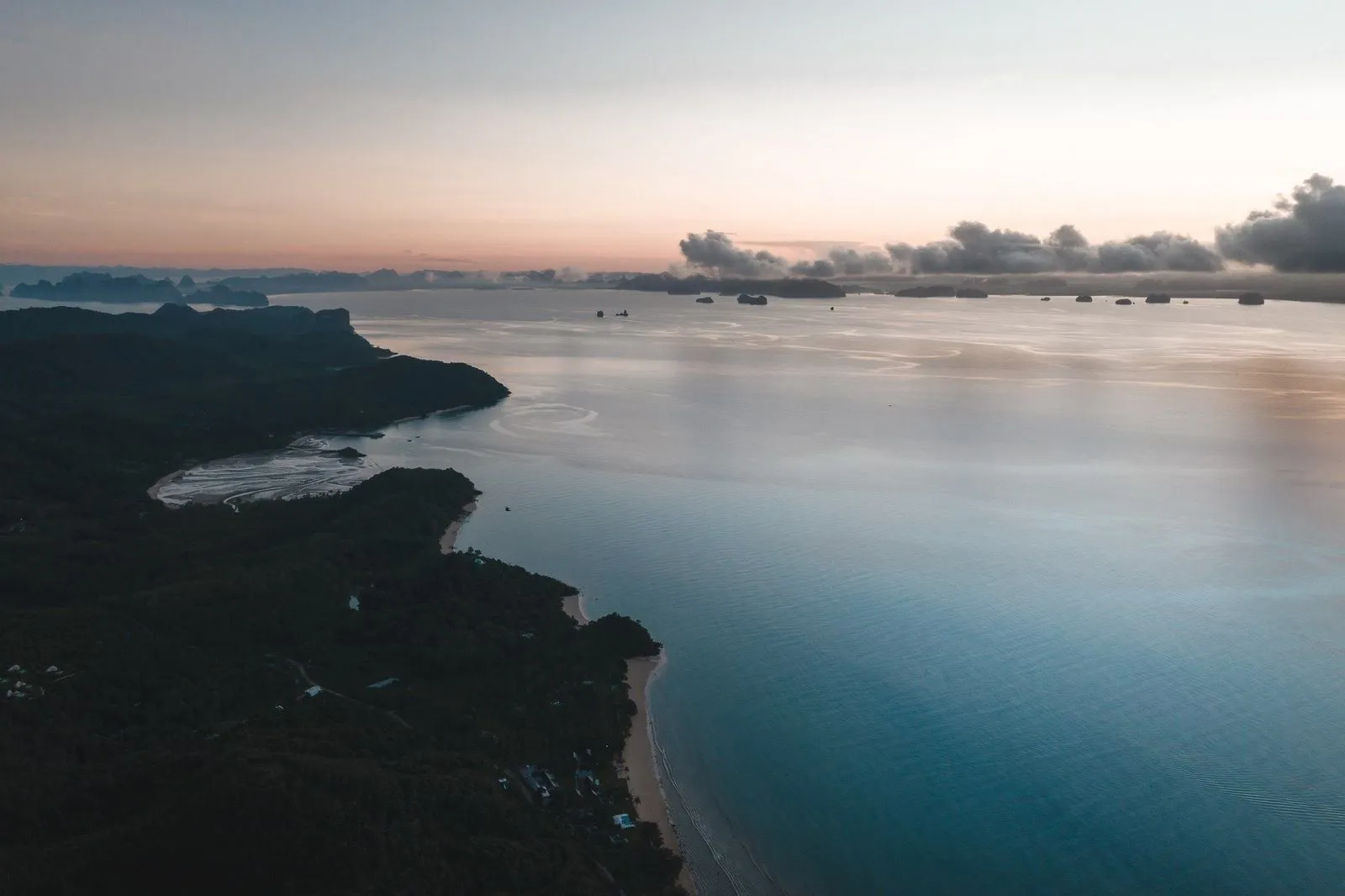
The sun rises over Thailand’s beaches. Tourists sleep in cool hotel rooms. They don’t see the workers below. These staff members walk across the sand picking up yesterday’s bottles, bags, and wrappers.
It’s the mess left behind in paradise.
What we see as travelers isn’t real. Those “untouched” beaches we snap for Instagram? Someone cleaned them before breakfast.
We enjoy Thailand’s lovely coasts but rarely think about who keeps them nice. Or how we make their job harder.
I saw this myself on Koh Lanta.
One evening, the beach was messy – plastic bottles in the waves, straws stuck in the sand. The next morning? Spotless. It seemed like magic until I spotted some resort workers finishing their clean-up. They had big bags of rubbish over their shoulders as they walked away.
Sure, we might bring our own water bottles or skip the plastic straws. But real sustainability means more than that. It means seeing the unseen labor behind our perfect holidays. It means understanding how we add to the problem when we visit.
Plastic isn’t just ugly on a beach. It kills.
Fish eat it and die. Tiny bits of plastic get into the food chain and end up on our plates too. The problem is bigger than messy beaches – it hurts entire ecosystems.
I’m not trying to make you feel bad about your holiday.
But let’s be honest about what tourism does to Thailand – and how we might enjoy this amazing country without wrecking it.
Discover the best Beaches in Koh Lanta with my in-depth guide.
Contents
Before the sun rises over Thailand’s islands, there’s a magical time when the beaches belong to the early risers.
Taking a morning stroll along the shoreline is one of the most rewarding experiences you can have in this country. The cool sand between your toes, the gentle lapping of waves, and the peace that comes before the day’s activities begin.
However, on one of my morning walks, I was surprised to discover I wasn’t entirely alone. As dawn broke, I noticed hotel staff members moving methodically along the beach. They weren’t there to enjoy the sunrise; they were picking up plastic debris that had washed ashore overnight. Bottles, bags, wrappers, and countless tiny fragments of plastic littered what would later be marketed as “pristine” beaches.
I realized that when I was walking alone in those early hours, I was witnessing something most holidaymakers never see.
The tourists who arrive mid-morning for amazing day tours rarely glimpse this element of Thai beach life. By the time they spread their towels on the sand, the evidence had been removed, the illusion of paradise carefully maintained.
When it’s out of sight, it’s out of mind.
Yet the truth is sadly unavoidable: overtourism creates a rubbish problem that undermines sustainability efforts. The plastic collected each morning doesn’t magically disappear; it simply moves from the visible beaches to less visible landfills or, worse, back into the ocean.
The early morning clean-up crews are the unsung heroes maintaining the façade of untouched natural beauty. Their labor is invisible to most visitors, who unknowingly contribute to the very problem these workers address before sunrise.
It’s a cycle that highlights the contradiction at the heart of mass tourism in fragile environments.
Plastics, Tourism, and the Daily Cycle of Waste

Every day in Thailand, the cycle repeats.
Tourists arrive and immediately consume plastics: bottled water to stay hydrated in the heat, plastic straws in fruity cocktails, takeaway containers for pad thai, and flimsy shopping bags from convenience stores. The average tourist might use five or more plastic items daily – multiply that by thousands of visitors, and the scale becomes alarming.
I witnessed this myself while swimming off Koh Phi Phi.
I felt something brush against my leg and leaped up, thinking it was a fish. Instead, I found myself surrounded by tiny pieces of plastic floating in the crystal-blue water. These weren’t brought by the tide from distant sources; they came from the very beaches where tourists relaxed, unaware of their contribution to the problem.
The cycle is relentless and largely invisible to most holidaymakers:
Morning: Hotel staff clean beaches before sunrise, removing yesterday’s waste.
Day: New tourists arrive at seemingly pristine beaches, using single-use plastics.
Evening: These items are discarded, many washing into the sea with the tide.
Night: Waves return some plastics to shore; others drift out to sea.
Dawn: Staff begin cleaning again, and the cycle continues.
This system isn’t just unsustainable, it’s actively destructive.
The plastics that aren’t collected break down into microplastics, contaminating the very waters tourists come to enjoy. Marine life suffers as turtles mistake bags for jellyfish and fish ingest tiny plastic fragments.
What makes this especially troubling is how the clean-up operation creates an illusion that everything is fine. Tourists never see the problem they’re creating because it’s whisked away before they wake up.
It’s a façade of sustainability that masks a growing environmental crisis.
The Role of Hotels and Staff in Keeping Beaches Clean

Thailand’s tourism industry lives or dies on its reputation for paradise beaches.
The marketing images feature clean, white sand, with no wrappers or bottle caps in sight. This creates immense pressure on hotels and resorts to maintain this perfect facade – regardless of the reality.
“We actually go out and clean the rubbish,” a staff member at a 4-star hotel in Koh Lanta told me one morning.
This clean-up isn’t a small job. It means hours of bending, lifting, and carrying heavy bags of rubbish in hot, humid conditions. Staff often start at 5 am, working quickly before the sun gets too strong.
Few tourists ever think about who picks up their discarded water bottles. Even fewer understand the working conditions of those who do this vital work. These staff rarely receive tips or recognition – they’re simply expected to make the mess vanish.
The hidden costs of mass tourism extend beyond the environmental damage. There’s a social cost, too.
Low-paid workers shoulder the burden of our waste, creating a system where some people enjoy paradise while others clean up after them.
How Our Choices as Travelers Contribute to the Problem

When you’re on holiday in Thailand, it’s easy to fall into plastic traps.
You pick up a water bottle at 7-Eleven because it’s hot. You accept a plastic bag for your beach snacks. You grab a takeaway container for pad thai on the go. Each seems harmless enough at the moment.
I’ll admit it – I’m guilty too.
Last year in Krabi, I bought bottled water every day. “It’s just one bottle,” I thought each time. But that’s 7 bottles from just one tourist. Thailand welcomed nearly 35 million visitors in 2024. If each used just one plastic bottle daily, that’s 40 million bottles. Everyday.
The disconnect is real.
When I’m planning my next perfect beach day or booking that dream island-hopping tour, the last thing on my mind is waste. My thoughts are filled with crystal waters and white sands – not where my breakfast’s plastic wrapper will end up.
It’s a holiday mindset.
We switch off from responsibilities. We’re paying for convenience, for luxury, for someone else to worry about the details. This mental holiday from consequences makes it too easy to ignore our impact.
That’s the problem. We’re all just passing through. We don’t see the long-term effects of our collective behavior.
The plastic bag you accepted might be picked up by hotel staff tomorrow, but it might also be the one that wraps around a sea turtle’s neck next month.
Practical Ways to Cut Down on Plastic While Traveling
Concrete, actionable advice:
- Refillable water bottles – highlight refill stations in Thailand and apps like Refill My Bottle.
- Reusable utensils and straws – bamboo or metal sets are easy to carry.
- Eco-friendly tours and activities – support operators who avoid single-use plastics.
- Shopping habits – say no to plastic bags, bring tote bags.
- Food choices – dine-in instead of takeaway to avoid packaging.
The good news is we don’t have to accept this cycle of waste. Here’s how we can make practical changes when traveling in Thailand:
Invest in a quality refillable water bottle. I personally recommend the LARQ bottle, which I used throughout my 8-month trip across Asia. Its built-in UV purification system gave me peace of mind about water quality, and I saved hundreds of plastic bottles. Thailand has increasingly embraced refill stations – download the Refill My Bottle app to find nearly 200 locations across popular destinations like Bangkok, Chiang Mai, and the islands.
Pack reusable utensils. A simple bamboo cutlery set with chopsticks, fork, spoon, and straw takes almost no space in your bag. I found mine especially useful at night markets in Krabi and Chiang Mai, where vendors automatically hand out plastic utensils with every dish.
Research eco-friendly tour operators. Companies like Trash Hero in Koh Lipe combine sightseeing with beach clean-ups. Many boat tours around the Phi Phi Islands now serve lunch with reusable plates and cups rather than disposable options.
Always carry a tote bag. Thai convenience stores automatically bag everything. A simple “mai sai tung” (no bag, please) while handing over your tote makes a difference. The colorful cloth bags sold at markets in Bangkok and Chiang Mai make perfect souvenirs too.
Choose dine-in experiences. Thailand’s food culture is meant to be savored, not rushed. Sitting at a local restaurant rather than grabbing takeaway not only reduces packaging waste but also creates more meaningful connections with local culture.
At Aya Hostel in Bangkok, I was impressed by their water dispenser and free metal water bottle for each guest. Small changes like these add up when adopted by travelers across Thailand.
Looking Beyond the Surface: The Real Meaning of Sustainable Travel

True sustainability goes way beyond just bringing your own water bottle. It’s about seeing the people who make our perfect beach holidays possible. I was shocked when I realized that someone had to physically pick up all our rubbish before we even woke up.
Let’s be real, those picture-perfect beaches don’t just happen. They’re cleaned constantly by hotel staff who work when we’re still fast asleep.
I felt so awkward when this hotel worker in Koh Lanta told me they start cleaning the beaches at half four in the morning. “We collect so much plastic every day,” she said with a smile that made me feel even worse. “Loads more after the full moon parties.”
That conversation hit me hard. I’ve been on beach holidays for years and never once helped clean up. Not once! I’d just rock up with my coffee, throw down my towel, and enjoy the “unspoiled” views without thinking about who made it that way.
It’s such a weird position to be in as tourists. We debate things like paper straws while actual people are sweeping away the evidence of our holidays before we even open our eyes. We get these amazing Instagram photos of clean beaches without acknowledging the work that goes into keeping them that way.
If we’re serious about traveling better, we need to see this imbalance. Our perfect holidays literally depend on people doing the unglamorous work behind the scenes. Real sustainability isn’t just about what we pack, it’s about who we see and value.
From Awareness to Action: Being a Responsible Visitor in Thailand
Becoming a more mindful traveler isn’t about being perfect – it’s about noticing more and trying your best. It’s dead simple to start making better choices once you’re paying attention.
Look around you when you’re in Thailand. Notice how much single-use plastic is everywhere. Take a moment to think, “Do I actually need this plastic bag?” before grabbing snacks at 7-Eleven. Small choices add up massively when millions of us make them.
Fancy joining a beach clean-up? Places like Trash Hero run them weekly in spots like Koh Lipe and Koh Phangan. I joined one last year, and it was genuinely eye-opening. We found over 200 plastic bottles in just two hours – and I made some proper friends too.
Support the good guys when you can. That little cafe using bamboo straws? The tour company with proper cups instead of plastic ones? They deserve your cash more than the places cutting corners.
Let’s be real, though – sometimes you’re knackered, desperately thirsty, and the only option is a plastic bottle. It happens! Sustainability isn’t about being flawless – it’s about making better choices when you can.
The biggest change for me was simply noticing the invisible work happening around me. Now I actually see the staff cleaning beaches at dawn. I thank them. I make their job easier by binning my stuff properly. I’m planning my next Thailand trip with a proper water bottle and tote bags packed first.
Honestly, just try to be sound about it. If everyone visiting Thailand just used one less plastic bottle a day, that’s literally millions fewer bottles washing up on those gorgeous beaches. And maybe, just maybe, those early morning clean-up crews might get to sleep in a bit longer.

When the alarm goes off at 5 am, resort staff across Thailand are already sweeping beaches. Meanwhile, we tourists sleep soundly, blissfully unaware.
I’ve explored how our holiday habits fuel Thailand’s plastic problem. Those water bottles and shopping bags seem harmless until multiplied by millions of visitors.
The solutions are simple: bring a refillable bottle, carry a tote, and refuse unnecessary plastics. But more importantly, look beyond your perfect beach photos. See the labor that creates that pristine paradise.
Next time I’m in Thailand, I’ll pick up any plastic I spot on the shoreline, even if it’s just one bottle. It’s not much, but it’s something.
I’ll keep my reusable bottle handy. I’ll choose restaurants and tours that are trying to do better.
The choice is straightforward. We can mindlessly consume and discard, or we can be part of the solution. Thailand gives us so much beauty and joy.
The least we can do is try not to leave a mess for someone else to clean up before sunrise.
–
James Fahey runs Fahey James Travel
travel terdekat
travel agent
mobil travel, travel bag, travel umroh, travel jakarta bandung, travel, baraya travel
#Hidden #Work #Thailands #Perfect #Beaches

Related Posts

Rasakan hidup dalam kecepatan penuh dengan Kartu Toyota Platinum baru dari Metrobank – Beragampengetahuan
Cara mempersiapkan perjalanan jangka panjang: Panduan praktis sebelum Anda pergi – Beragampengetahuan
